Historic Demography of the Island
If it is a domain where the rigour should be acceptable, it is well the one of the demography so often manhandled by those who profess to give their opinion onto everything and especially what is foreign to them. The same, on the occasion of inevitably deep reflections, claim to talk about the human future, the wars, the future of nations, colonies or even simply notion of life expectation, cornerstone of the demographic reasoning, without noticing that they are handling a delicate statistical object. The demographic domain is thus a field of the knowledge which incites inquiring minds but which adduce the prigs to say anything. It is well of it that it is in question in our Corsican cases, where more than somewhere else, the dead vote. That we judge it!
Let us take an example. I like enough that concerning the misdeeds of the French occupation compared with the situation of the nearby islands, and where you will be told that Sardinia and Sicily are very populated. That is very true, and that it is the fruit of two centuries of fastening with Italy, as which the irredentism is never very far. Hey what, you wonder?
But, let us see, do not come out that Corsica was in the 18th century the densest region of Europe; it is France cruel mother who, with subsidies and public jobs, prevented Corsica to develop and enticed outside Corsica its most ardent sons, wherever from the depopulation we notice. Here you are shaken. And nevertheless. Let us make a quite small really very simple demographic reasoning: The kingdom of France reckoned as périssait la patrie [died the homeland] (Bonaparte dixit, speaking about Ponte Novo) 27 million subjects for a territory slightly smaller than today (approximately 520000 km2) i.e. a 52 hab / km² density . A denser Corsica owes present a density at least equal to this figure for 8681 km², i.e. a population of more than 450000 souls, now, in 1800, its population reached only the level of 160000 inhabitants! France, on average, was thus three times as dense as Corsica, what supposes that certain number of these provinces was it also. Is it necessary to look at the other regions of Europe.
If we leave all the commonplaces of the Corsican debate, it remains to work on acceptable statistical series, and it is all the question because figures in Corsica have been handled for electoral reasons for a century, to the point that the INSEE(NATIONAL INSTITUTE FOR STATISTICS AND ECONOMIC STUDIES) eventually makes a commitment on reliable figures only as from 1982 and mentions in its publications of figures reconstituted figures instead of stemming from censuses at least till the beginning of the Sixties. We tried to see clear there and we propose as support of our various analyses of the series established by taking into account diverse evaluations the references of which are given and commented on.
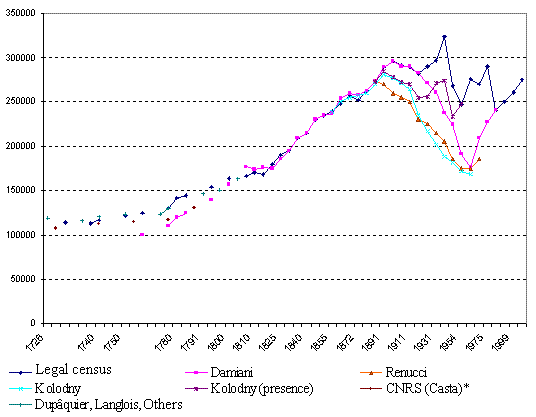
A first correction can be made by comparing the present population, identified as such in the censuses, and of which the systematic gap with regard to the legal population from 1921 leads to doubt the validity. Paul Damiani makes in 1973 a correction this way by taking into account the evolutions on the long term of the migratory and natural sales. This first statistical revision is accepted by the INSEE(NATIONAL INSTITUTE FOR STATISTICS AND ECONOMIC STUDIES) and comes to confirm the other evaluations previous as those of Emile Kolodny in 1962 which already brought to light the notion of population present on the island. A more pushed evaluation brings him to criticize this notion which sticks sometimes too closely on the legal censuses and on their erring ways, in particular the rise from 1921 till 1936 which he follows during the first years. It seems that its estimation "with the criterion of presence" is satisfactory in the beginning of century and more critical than that of Paul Damiani. On the other hand, the fall which he proposes as from 1921 is very (too much?) pronounced. The evaluation of Janine Renucci which follows a close method ends in less dramatic results from 1926 and seems more reasonable. To be complete about the past I added the results of the François Casta's study (the figures of 1740 and 1758 were worked out again on the basis of homes and considering a reduced list of ten places with regard to the censuses of the inhabitants. Finally, as regards 1726s in 1794, the data of diverse censuses were added (referenced in particular in Dupâquier, cit. Langlois, Annales de démographie historiques, 1976, etc.).
I refused to choose, and even less to try to propose a "synthetic" curve which would have had no rigorous justification, for lack of indisputable elements to opt for a plan or the other one according to eras. The table and the graph thus present all the curves. If we put aside the legal censuses of the 20th century which reflect more the image which Corsican wanted to give of themselves that the reality, all the plans gives an idea of the rather likely whole reality, over the studied three centuries.
During the 18th century, all the censuses are held on the same trend, whereas the François Casta's evaluations seem to make the curve of the censuses and the evaluations of Paul Damiani joined themselves. On the other hand, during all the 19th century, all the evaluations and censuses propose an unanimous demographic image of Corsica. It is in the 20th century and until the 1982 census that the debate on the enumeration takes all its meanings.
Table of populations evaluation
|
Dates |
Legal census |
Damiani |
Renucci |
Kolodny |
Kolodny
(presence) |
CNRS (Casta)* |
Dupâquier,
Langlois, Others |
|
1726 |
|
|
|
|
|
|
119284 |
|
1729 |
|
|
|
|
|
107219 |
|
|
1730 |
114000 |
|
|
|
|
|
|
|
|
|
|
|
|
|
|
|
|
1738 |
|
|
|
|
|
|
116053 |
|
1739 |
113000 |
|
|
|
|
|
|
|
1740 |
117000 |
|
|
|
|
112460 |
120389 |
|
|
|
|
|
|
|
|
|
|
|
|
|
|
|
|
|
|
|
1750 |
122000 |
|
|
|
|
|
124112 |
|
1758 |
|
|
|
|
|
115014 |
|
|
1760 |
125000 |
100000 |
|
|
|
|
|
|
|
|
|
|
|
|
|
|
|
1769 |
|
|
|
|
|
|
123480 |
|
1770 |
130000 |
110000 |
|
|
|
117079 |
130286 |
|
1780 |
142000 |
120000 |
|
|
|
|
|
|
1786 |
145000 |
125000 |
|
|
|
|
|
|
1787 |
|
|
|
|
|
130289 |
|
|
1791 |
|
|
|
|
|
|
146530 |
|
1790 |
154000 |
140000 |
|
|
|
|
|
|
1794 |
|
|
|
|
|
|
150658 |
|
1800 |
164000 |
157000 |
|
|
|
|
|
|
1801 |
|
|
|
|
|
|
163896 |
|
1805 |
166000 |
177000 |
|
|
|
|
|
|
1810 |
170000 |
174000 |
|
|
|
|
|
|
1815 |
168000 |
176000 |
|
|
|
|
|
|
1820 |
180000 |
175000 |
|
|
|
|
|
|
1825 |
190000 |
185000 |
|
|
|
|
|
|
1830 |
195000 |
195000 |
|
|
|
|
|
|
1835 |
209000 |
209000 |
|
|
|
|
|
|
1840 |
215000 |
215000 |
|
|
|
|
|
|
1845 |
230000 |
230000 |
|
|
|
|
|
|
1850 |
235000 |
235000 |
|
|
|
|
|
|
1855 |
240000 |
237000 |
|
238500 |
|
|
|
|
1860 |
248000 |
254000 |
|
250000 |
|
|
|
|
1865 |
257000 |
260000 |
|
255000 |
|
|
|
|
1872 |
252000 |
258000 |
|
257000 |
|
|
|
|
1876 |
262701 |
262701 |
|
259400 |
|
|
|
|
1881 |
273000 |
273000 |
273000 |
270000 |
273000 |
|
|
|
1891 |
289000 |
289000 |
270000 |
280500 |
284709 |
|
|
|
1901 |
295600 |
295600 |
260000 |
277200 |
278072 |
|
|
|
1906 |
291200 |
290000 |
255000 |
271200 |
272400 |
|
|
|
1911 |
288820 |
290000 |
250000 |
264400 |
270218 |
|
|
|
1921 |
281959 |
282000 |
230000 |
234900 |
254958 |
|
|
|
1926 |
289900 |
271400 |
225000 |
216800 |
256000 |
|
|
|
1931 |
297200 |
260700 |
215000 |
201500 |
270921 |
|
|
|
1936 |
322900 |
237400 |
205000 |
188400 |
273801 |
|
|
|
1946 |
267900 |
224600 |
185000 |
181200 |
233232 |
|
|
|
1954 |
247000 |
191500 |
175000 |
172000 |
247000 |
|
|
|
1962 |
275500 |
176160 |
175000 |
168000 |
|
|
|
|
1968 |
269800 |
208780 |
185000 |
|
|
|
|
|
1975 |
289800 |
227425 |
|
|
|
|
|
|
1982 |
240178 |
240178 |
|
|
|
|
|
|
1990 |
249729 |
|
|
|
|
|
|
|
1999 |
260149 |
|
|
|
|
|
|
|
2005 |
275000 |
|
|
|
|
|
|
Graph
Télécharger fichier excel

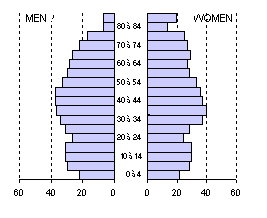
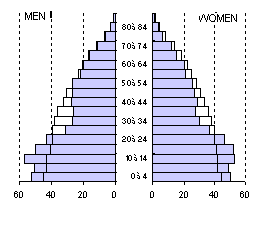
Specification Men/Women and population pyramid
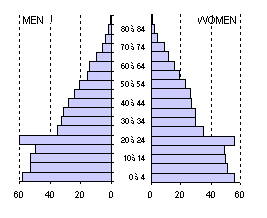
On the base of age group p. 1000 inhabitants (sources Atlas ethno-historique & recensement 1911, imprimerie nationale 1912 et 1913)
1872 census 1901 census
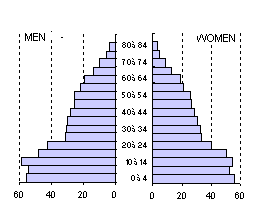
1906 census
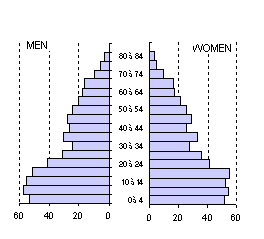
(last five years census) compared with France
|
Ages |
1911 Corsica |
1911 Corsica |
1911 France |
1911 France W |
1906 Corsica |
1906 Corsica |
1901 Corsica |
1901 Corsica |
|
less 20 |
42% |
41% |
35% |
33% |
44% |
43% |
43% |
43% |
|
more 50 |
21% |
21% |
22% |
24% |
20% |
19% |
20% |
19% |
|
adults |
36% |
39% |
44% |
43% |
36% |
38% |
37% |
38% |
|
20 to
40 |
26% |
28% |
31% |
30% |
26% |
27% |
27% |
27% |
|
40 to
50 |
11% |
11% |
13% |
13% |
11% |
11% |
11% |
11% |
|
Women |
1891 |
1901 |
1911 |
|
France |
1035 |
1033 |
1014 |
|
Corsica |
1010 |
999 |
1023 |
Mouvements naturels et migratoires récents
|
|
Births |
Décès |
Solde
naturel |
Solde
migratoire |
|
1962 - 1968 1968 – 1975 1975
– 1982 1982
– 1990 1990
- 1999 1999 - 2003 |
17162 19415 18252 23440 25411 11034 |
14187 17302 18365 21868 24618 10913 |
+ 2975 +
2113 -
113 + 1572 +
793 +
121 |
+
21431 +
18181 +
14729 +
8621 +
9032 nd |
|
Groups |
Immigrants |
Emigrants |
|
Actifs Unemployed less
than 15 years Pupils-Students Retired Others non-working |
35 % 10
% 20
% 6
% 16
% 13
% |
35 % 9
% 21
% 17
% 8
% 10
% |
|
Born in… |
Immigrants |
Emigrants |
|
Corsica Mainland Overseas Foreign countries |
7266 21655 264 3072 |
6161 13604 251 3514 |
|
Origine
des immigrants de plus de 15 ans |
All |
Born in Corsica |
|
Working people Unemployed Former working Others non-working At school Army |
11237 3203 5160 4064 2013 43 |
1529 368 2040 909 217 4 |
Compared density of the
Let us review the legend of a more croudy Corsica than
the Mediterranean islands, and than the sole French presence would have
handicaped.
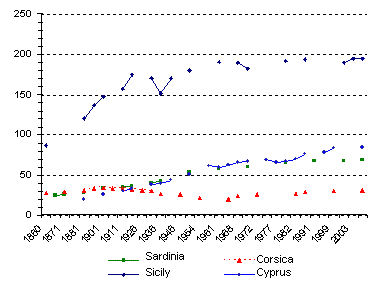
Corsica "drops out" only as from the 1911
census with regard to Sardinia, what invalidates the irredentist speech : the
French presence in the 20th century does not have to be ashamed with a
hypothetical Italian presence which has never taken place and of whom we can
strictly guess nothing. Besides, Sicily, from his part, was dense already much
more than Corsica and for a long time. Indeed, if from 1860, Sicily presents an
already three times as high density, this one was of the order of 64 hab / km²
after the napoleonic wars and the estimations of the historians retain an
assumption of one million inhabitants in 1700, that is a 39 hab / km² density while at the same moment Corsica
shows a 14 hab / km² density, that is to say always a density representing a
big third of that of Sicily. We shall note that the Cyprus island presents a
profile comparable to that of Sardinia, nevertheless its density diverges from
that of Corsica a little more late, after the first world war.
Sources
Abbé François Casta, Paroisses et communes de
France, Corse,
éd. CNRS 1993
Atlas ethno-historique, direction Ravis Giordani
Paul Damiani, le mouvement de la population corse de 1946 à 1969 et aperçus rétrospectifs depuis 1781, in Bulletin de la société des sciences historiques et naturelles de la Corse BSSHNC, 1973, Trim. 3 & 4
Economie corse, n° 25, avril 1983, INSEE
Emile Yerahmiel Kolodny, population urbaine de Corse, 1962
Janine Renucci, Corse traditionnelle et Corse nouvelle la géographie d’une île, 1974
INSEE, Tableau économie corse 2005
Economie corse, n° 95, avril 2001, INSEE
For the mediterranean isles, estimation following
Kolodny and the Istat (itatlian statistical institute)